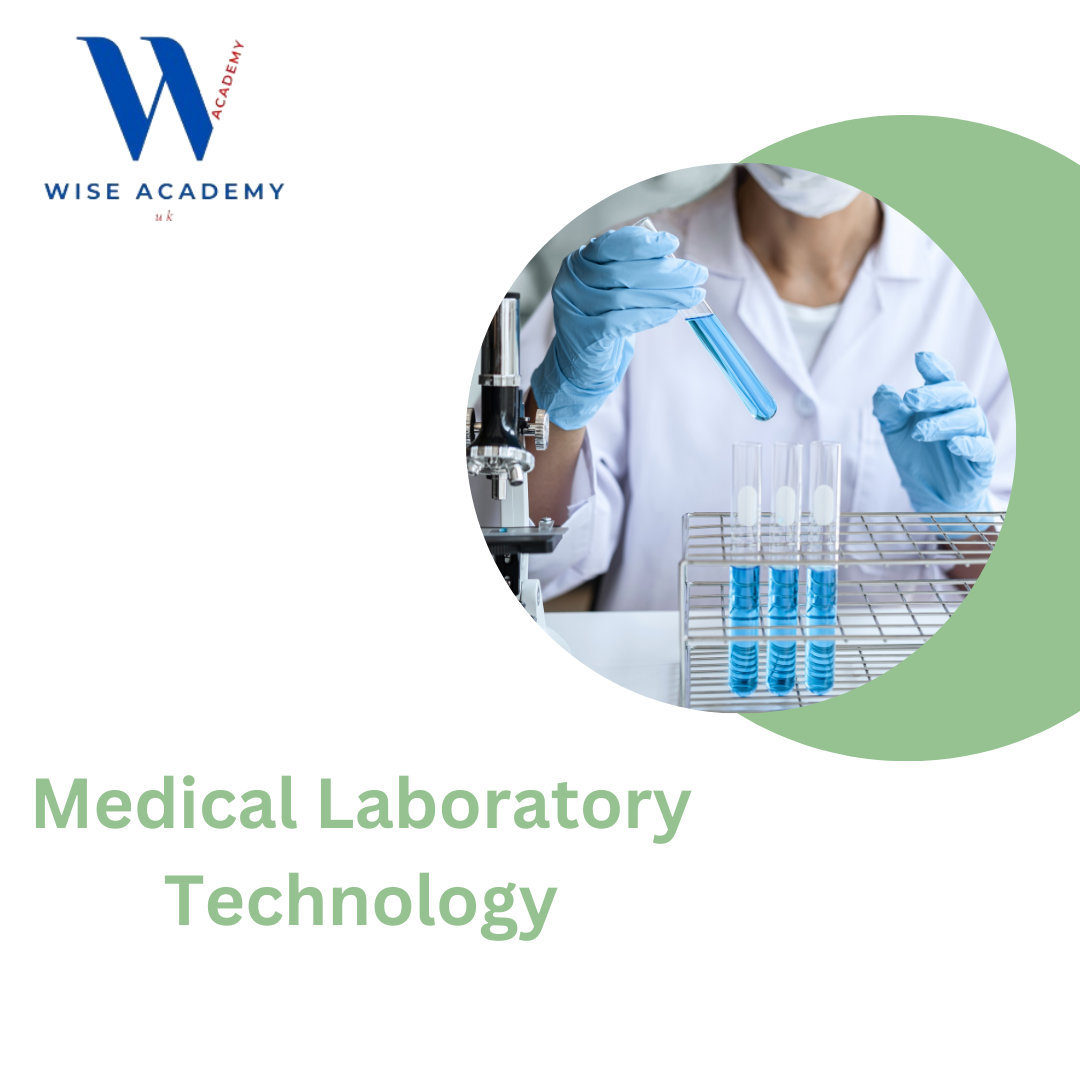
Description
Curriculum Overview
The curriculum covers essential topics such as:
- Introduction to Medical Microbiology: Understanding the fundamentals of microbiology, including the classification, structure, and function of microorganisms such as bacteria, viruses, fungi, and parasites.
- Pathogenesis of Infectious Diseases: Exploring the mechanisms by which pathogens cause disease, including virulence factors, modes of transmission, and host-pathogen interactions.
- Diagnostic Techniques: Learning about various laboratory techniques used to identify infectious agents, including culture methods, molecular diagnostics, and serological testing.
- Antimicrobial Agents and Resistance: Gaining insights into the mechanisms of action of antimicrobial agents, the development of resistance, and strategies for antibiotic stewardship.
- Epidemiology of Infectious Diseases: Understanding the principles of epidemiology, including the study of disease outbreaks, transmission dynamics, and public health implications of infectious diseases.
- Vaccination and Immunization: Exploring the role of vaccines in preventing infectious diseases, including types of vaccines, immunization schedules, and the impact of vaccination programs on public health.
- Emerging Infectious Diseases: Examining current trends and challenges in the field of infectious diseases, including emerging pathogens, zoonotic diseases, and global health considerations.
Ideal For
This diploma program is ideal for healthcare professionals, medical laboratory technologists, public health practitioners, and individuals interested in specializing in medical microbiology and infectious diseases. Graduates will be well-prepared to contribute to the diagnosis, treatment, and prevention of infectious diseases in various healthcare settings.


