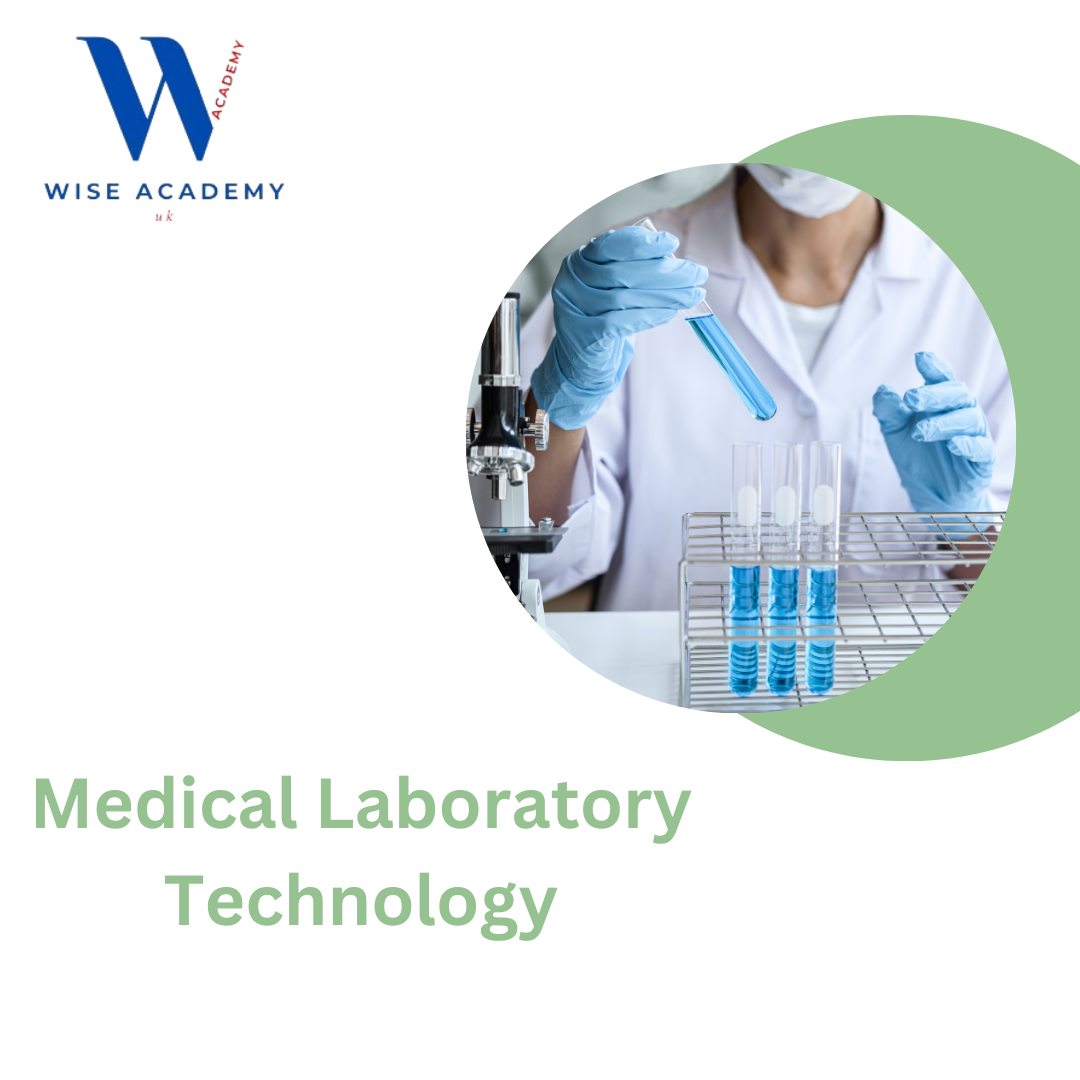
Description
Curriculum Overview
The curriculum covers essential topics such as:
- Introduction to Clinical Biochemistry: Understanding the fundamentals of clinical biochemistry, including the role of biochemical tests in diagnosing and monitoring diseases.
- Biochemical Markers and Metabolism: Learning about key biochemical markers related to various diseases, including liver function tests, renal function tests, and metabolic disorders.
- Analytical Techniques in Biochemistry: Gaining insights into advanced laboratory techniques used in clinical biochemistry, such as chromatography, mass spectrometry, and immunoassays.
- Principles of Toxicology: Exploring the basics of toxicology, including the mechanisms of toxicity, types of toxins, and the assessment of exposure to harmful substances.
- Clinical Toxicology: Understanding the clinical aspects of toxicology, including the identification and management of poisoning cases, toxicological screening, and treatment protocols.
- Drug Metabolism and Pharmacokinetics: Examining how drugs are metabolized in the body, including factors affecting drug absorption, distribution, metabolism, and excretion (ADME).
- Quality Control and Regulatory Standards: Learning about quality assurance practices in laboratory testing, laboratory safety, and compliance with regulatory standards related to clinical biochemistry and toxicology.
Ideal For
This diploma program is ideal for medical laboratory scientists, clinical biochemists, toxicologists, and healthcare professionals looking to specialize in clinical biochemistry and toxicology. Graduates will be well-prepared to perform complex biochemical analyses, interpret results accurately, and contribute to patient care through effective management of biochemical and toxicological conditions.


